


Understanding BFRB
As a parent, discovering that your child engages in hair pulling, skin picking, or nail biting can be confusing and concerning.
You might wonder: Is this just a phase? Am I doing something wrong? How can I help? If your child has been diagnosed with body-focused repetitive behavior (BFRB), you’re not alone, and there is hope.
What Are BFRBs?
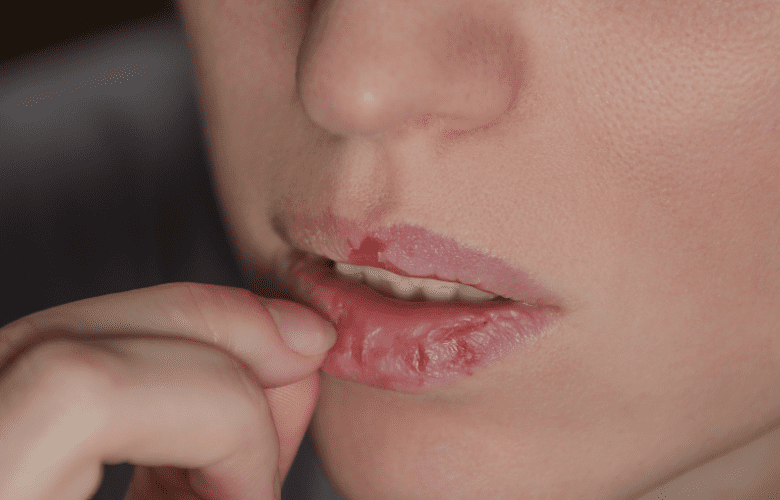
Body-focused repetitive behaviors (BFRBs) are a group of conditions where people repeatedly touch, pull, pick at, or bite their own hair, skin, or nails.
These behaviors are not simply “bad habits,” but clinical conditions your child cannot easily stop. The most common BFRBs include:
- Trichotillomania (Hair Pulling Disorder
Recurrent pulling out of one’s hair, resulting in hair loss - Excoriation (Skin Picking Disorder)
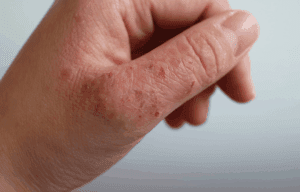
Repeated picking at one’s own skin, often causing lesions - Onychophagia (Nail Biting)
Chronic nail biting that damages the nails or nearby skin - Cheek/Lip Biting
Biting the inside of the cheeks or lips, sometimes without noticing
These behaviors often serve a purpose, even if your child cannot explain what that is. They may help your child cope with stress, calm uncomfortable feelings, or meet a sensory need. Sometimes the behavior happens automatically, with little awareness.
What Causes BFRBs?
 The exact cause of body-focused repetitive behaviors is not fully known, but research suggests they result from a combination of factors:
 The exact cause of body-focused repetitive behaviors is not fully known, but research suggests they result from a combination of factors:
- Genetic predisposition – BFRBs tend to run in families
- Neurological differences – Brain pathways involved in habit formation and impulse control may function differently
- Emotional regulation – Many children use these behaviors to cope with stress, anxiety, boredom, or other uncomfortable emotions
- Sensory needs – Some children engage in BFRBs because they find the sensation satisfying or soothing
It’s important to know that you did not cause your child’s BFRB. These are not behaviors that develop because of poor parenting and they are not something a child can stop through willpower alone.
Body-focused repetitive behaviors are not simple habits a child will outgrow. They can be connected to emotional or sensory needs. For some children, the behavior helps reduce uncomfortable feelings. For others, it provides a certain sensation that feels calming. In many cases, the behavior becomes automatic, and the child may not realize they are doing it.
Knowing this can help you respond with understanding and support.
Recognizing the Signs
Children with BFRBs may show various warning signs:
 Children with BFRBs may show various warning signs:
- Visible hair loss, bald patches, or areas of thinning hair
- Frequent skin lesions, scabs, or scars, particularly on easily accessible areas like face, arms, or legs
- Damaged nails or cuticles, sometimes with bleeding
- Spending excessive time in the bathroom or in front of mirrors
- Wearing hats, wigs, or long sleeves even in warm weather to hide the results
- Withdrawing from social situations or activities they once enjoyed
- Expressing shame, embarrassment, or distress about their appearance
The Impact on Your Child
BFRBs can affect multiple areas of your child’s life:
Physical Health
Repeated picking, pulling, or biting can lead to infections, scarring, and permanent damage to hair follicles or skin.
Emotional Well-being
Many children experience intense shame, guilt, and low self-esteem related to their BFRB and its visible effects.
Social Life
Fear of judgment may cause your child to avoid social situations, sleepovers, swimming, or other activities where their behavior or its results might be noticed.
Academic Performance
Time spent engaging in the behavior, anxiety about being noticed, or difficulty concentrating can impact schoolwork.
What Doesn't Help
Before we talk about what does help, let’s address what doesn’t:
Punishing or scolding
This increases shame and stress, often making the behavior worse
Constant monitoring or saying “stop that!”
This creates a negative cycle and rarely produces lasting change
Covering up hands or affected areas
Physical barriers often increase frustration without addressing the underlying need
Assuming they can “just stop”
BFRBs are not under simple voluntary control
Ignoring the problem completely
While you shouldn’t focus on it constantly, pretending it doesn’t exist prevents your child from getting needed support
How You Can Help
The good news is that effective treatments exist, and there’s much you can do to support your child:
1. Educate Yourself and Your Child
Understanding that BFRBs are real clinical conditions—not character flaws—is the first step. Share age-appropriate information with your child so they understand their brain works a bit differently, and that’s okay.
2. Create a Shame-Free Environment
Your child likely already feels embarrassed about their BFRB. Make your home a safe space where they can talk about their struggles without judgment. Use neutral, descriptive language rather than loaded terms like “gross” or “bad.” For example, instead of saying the behavior is “gross,” you might say, “I notice you’re pulling at your hair right now.”
3. Seek Professional Help
The gold standard treatment for BFRBs is Habit Reversal Training (HRT) and Comprehensive Behavioral Model (ComB) therapy, both forms of cognitive-behavioral therapy, the most effective type of therapy for anxiety disorders. These proven approaches help your child:
- Increase awareness of when and why they engage in the behavior
- Identify triggers and situations that increase the urge
- Develop competing responses (alternative behaviors)
- Address underlying emotions and sensory needs
- Build tolerance for uncomfortable sensations without engaging in the BFRB
A therapist trained in treating BFRBs can substantially improve the situation. When looking for providers, ask about their specific experience with these conditions.
4. Support Skill-Building at Home
Once your child is working with a therapist, you can support their progress:
- Help them notice patterns without judgment (“I notice you tend to pick when you’re watching TV”)
- Encourage use of their competing responses or alternative strategies
- Celebrate effort and small victories, not just “perfect” days
- Provide sensory alternatives like fidget toys, stress balls, or textured objects
Your support will speed their recovery.
5. Address Co-occurring Conditions
Many children with BFRBs also experience anxiety, depression, ADHD, or OCD. Treating these co-occurring conditions often helps reduce BFRB symptoms as well. In fact, early intervention for anxiety can make a significant difference in your child’s overall wellbeing and may help prevent BFRBs from becoming more entrenched.
6. Take Care of Yourself
Supporting a child with a BFRB can be emotionally challenging.
You might feel frustrated, helpless, or worried about your child’s future. Remember to:
- Seek support from other parents (online communities and support groups exist)
- Consider therapy for yourself if you’re struggling
- Practice patience—recovery is rarely linear
- Remember that setbacks are normal and don’t mean failure
What to Say (and Not Say)
 Instead of: “Stop picking your skin! It’s disgusting!”
Try: “I know you’re working hard on managing your picking. Is there anything I can do to help right now?”
Instead of: “Why can’t you just control yourself?”
Try: “I understand this is really difficult. Your brain is wired in a way that makes these urges very strong.”
Instead of: Hovering and constantly pointing out the behavior
Try: Agreeing on a private, gentle signal to bring awareness if your child wants that support
Instead of: “You’re going to have scars forever!”
Try: “Let’s focus on taking care of your skin and finding strategies that work for you.”
Hope for the Future
Here’s what you need to know:
BFRBs are treatable.
While there may not be a simple “cure,” many children learn to manage their symptoms effectively and go on to live full, confident lives. With appropriate treatment, understanding support, and patience, your child can develop the skills to reduce their BFRB behaviors and minimize the impact on their daily life.
Recovery takes time, and progress isn’t always linear. There will be good days and challenging days. What matters most is that your child knows you’re on their team, that they’re not broken, and that help is available.
Next Steps
If you suspect your child has a BFRB:
- Schedule an evaluation with a mental health professional experienced in BFRBs.
- Connect with organizations like the TLC Foundation for Body-Focused Repetitive Behaviors (www.bfrb.org) for resources and support.
- Talk openly with your child in an age-appropriate, shame-free way.
- Remember that seeking help is a sign of strength, not weakness.
With your support and proper treatment, your child can learn to manage these behaviors and thrive. You’re already taking an important step by educating yourself, and that makes all the difference.
If you’re concerned about your child’s mental health or behavior, reach out to a qualified mental health professional. The Anxiety Institute specializes in evidence-based treatments for anxiety disorders, OCD, and related conditions, including BFRBs. Contact us today.